









513+ Happy Runners
5 Reasons Runner's Are Switching to This Creatine for Better Results
The creatine specifically created for runners. Formulated to be absorbed quickly without the bloated feeling you’ll find with traditional creatine powders
- 15 References
- Expert Verified
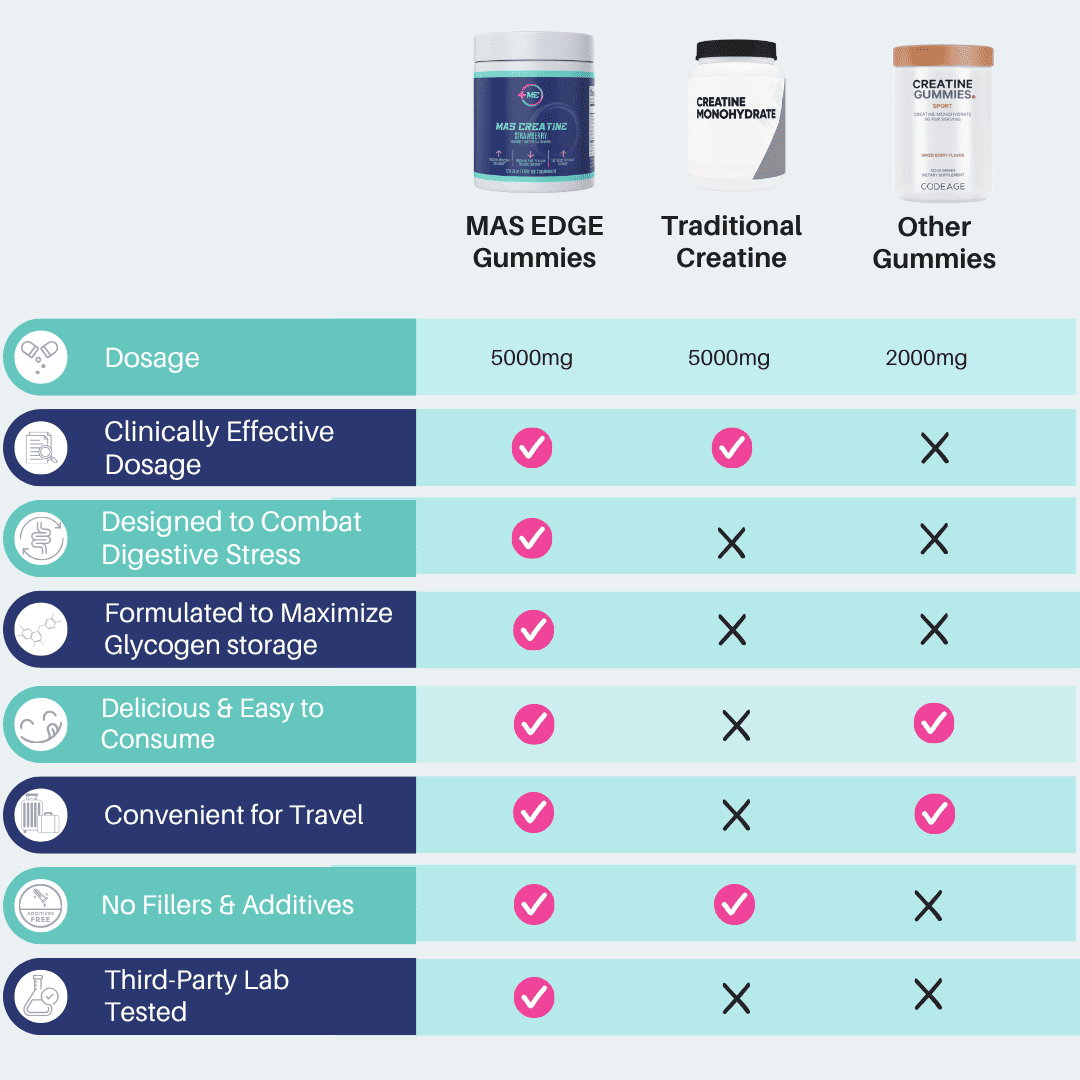
- Superior Bioavailability Means No Stomach Issues
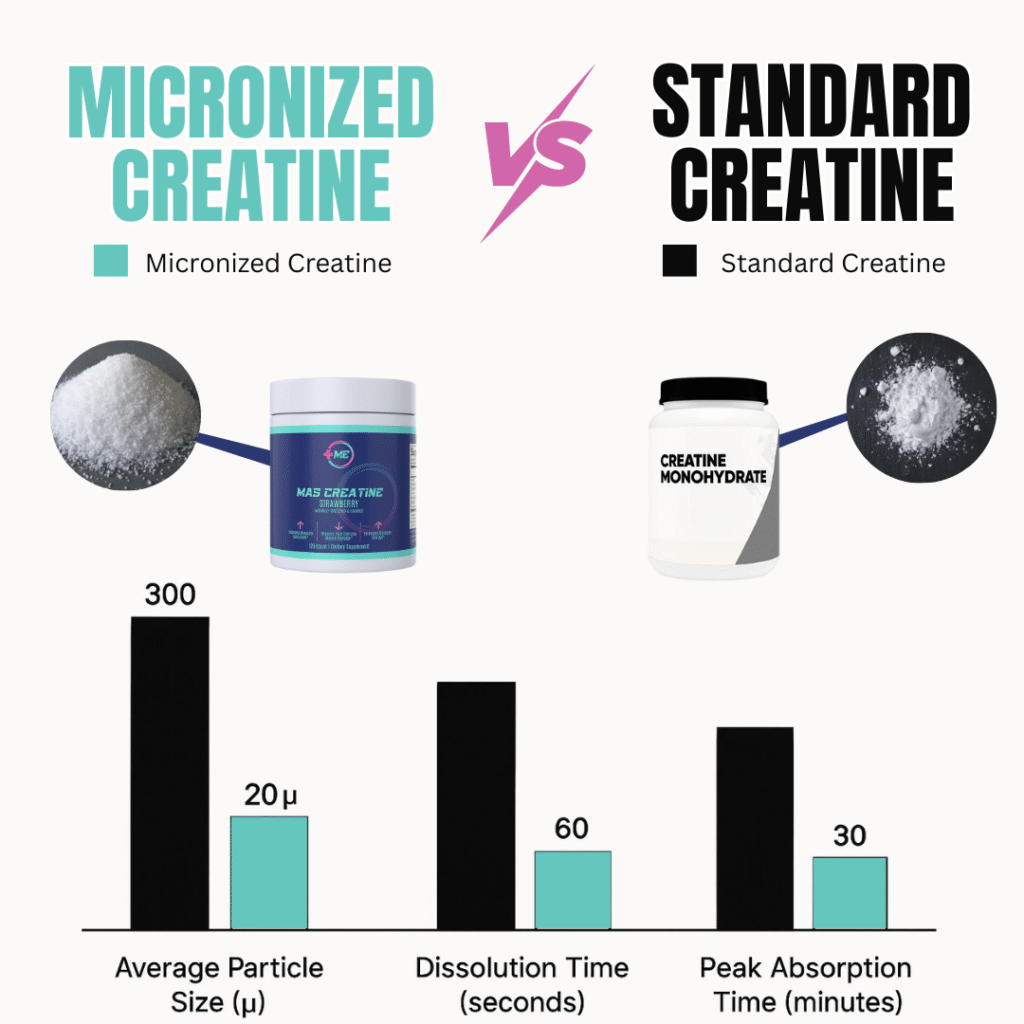
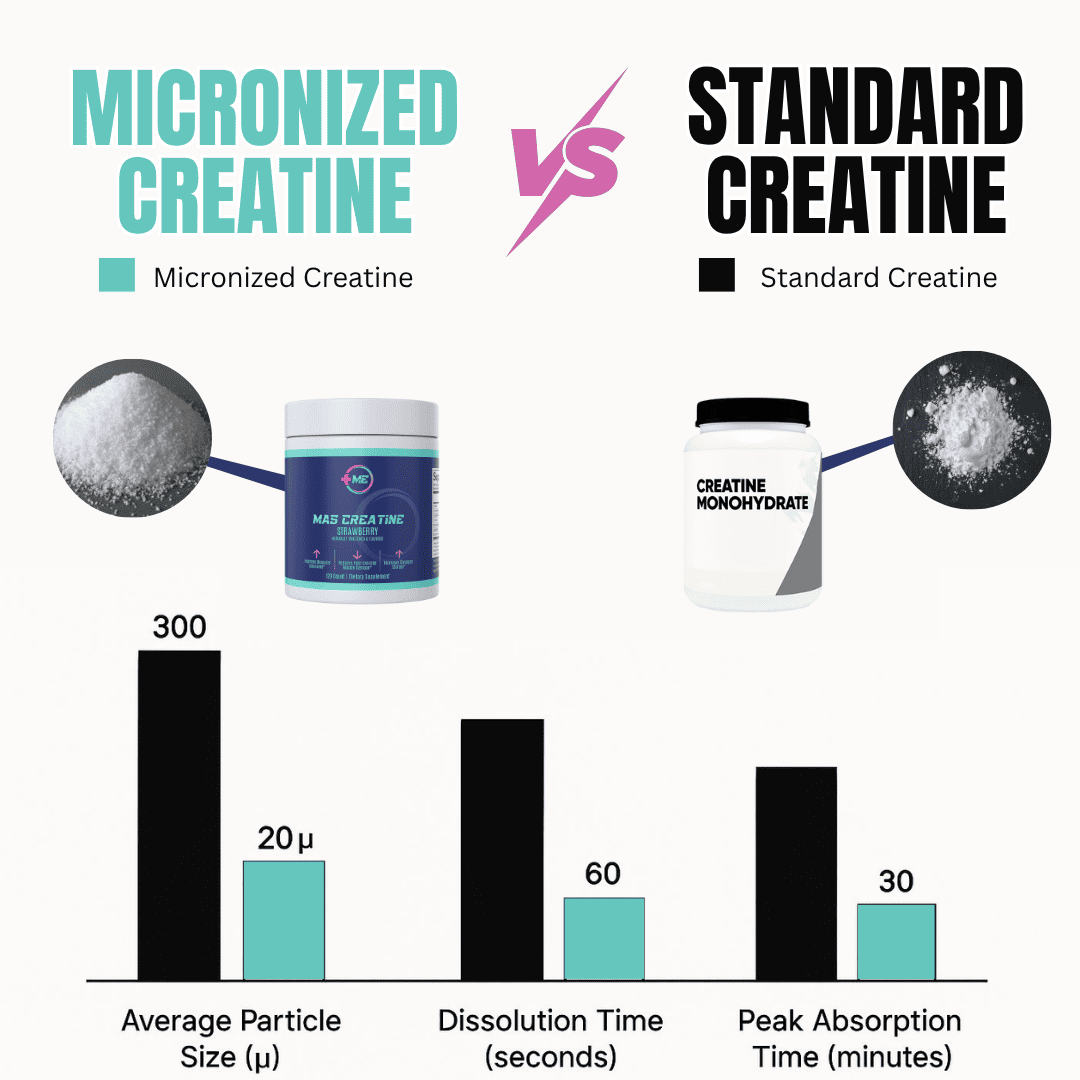
Most creatine powders use a larger particle size to save money during the manufacturing process.
These large, irregular particles don’t dissolve completely, creating an osmotic effect that draws water into your intestines.
For your average athlete who uses creatine for the gym, this isn’t a big issue since they don’t deal with the same stomach challenges runner’s do.
Our gummies are made with micronized creatine, which is a 100% soluble type of creatine with superior bioavailability.
Soluble
More Bioavailable
That means they are specifically formulated to be absorbed quickly so it’s gentle on the stomach.
- Delicious Gummies Make Staying Consistent Easy
Research shows that creatine works best when your muscles are fully saturated, which means being consistent with your intake.
But, traditional creatine powders are chalky, hard to mix, and inconvenient.
MAS Creatine gummies are so delicious you’ll be hoping that the latest research suggesting using 20 grams per day for cognitive benefits is actually true.
Runners who switched turn creatine supplementation into a 10-second routine that they don’t want to miss.
Absolutely delicious
Easy to Stay Consistent
- Makes Traveling with Creatine Easier
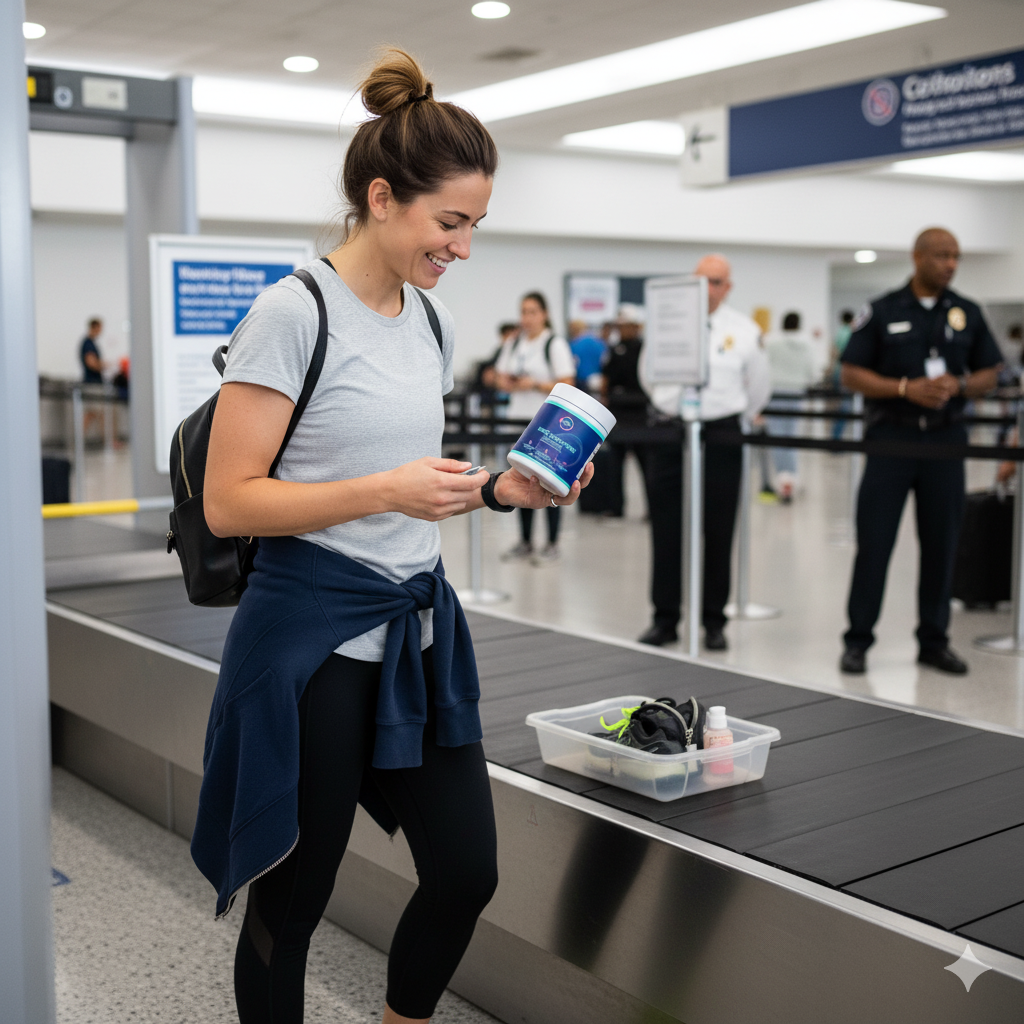
You travel for races or work trips, but bringing powder supplements creates airport security hassles and hotel room mixing logistics.
If you’ve ever tried to take powders like creatine, protein or electrolyte mixes through airport security or find ways to mix them without the right bottle, then you know the struggle.
That’s why gummies are so much better for travel and convenience.
- No liquids to declare
- No mixing or bottles need
- And no concerns about powder substances
With MAS Creatine Gummies, you get a delicious creatine supplement that are convenient to take with you for workouts, races, vacations, and business trips.
- More Bang for Your Buck
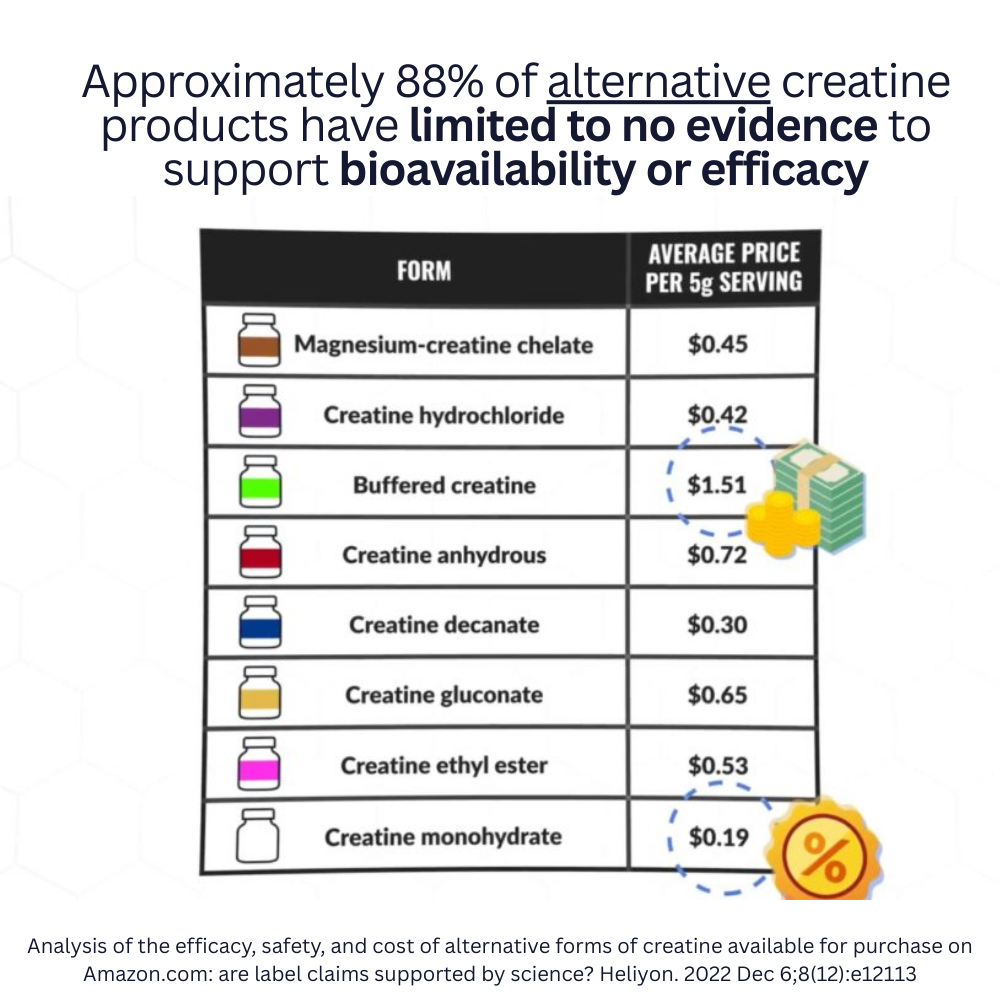
If you’ve done your research on creatine, then you may have seen influencers touting “cutting-edge” versions of creatine, such as creatine HCL and buffered creatine.
These forms of creatine promise “better absorption” or “no loading phase” and have you wondering if you should pay extra for these premium forms.
Unfortunately, like many marketing claims, these “improved” versions of creatine are just ways companies can try to charge more money for the same (and sometimes inferior) product.
And, in this case, there’s actually research to prove it.
A systematic review of a total of 175 creatine supplements found that “approximately 88% of alternative forms of creatine were classified as having limited to no evidence to support bioavailability, efficacy, and safety” compared to basic creatine monohydrate.
The research clearly shows you’re better off saving your money
Best Dollar-for-Dollar Value
Most Researched Form
- Formulated by Sports Scientists for Runners
We spent almost a year in development with our sports science team and manufacturer to make sure we got this product just right!
We dove into the research on what types of creatine were based absorbed and how we could formulate to eliminate many of the traditional drawbacks of creatine.
That’s why we offer a full 60-day money-back guarantee, including shipping and handling.
If you’re not completely satisfied with the impact on your workouts and, simply email us for a full refund.
Finally, a creatine that taste great and is easier on the stomach than traditional powders
Why You’ll Love It
Most creatine supplements suck for runners because they’re not designed for the specific needs and challenges endurance athletes face.
Bodybuilders don’t mind grainy powders and they consider stomach distress a mild inconvenience.
But runners need convenience and something that is going to be easy on their stomach. GI issues are no joke when you’re miles from a bathroom.
That’s why we created MAS Creatine: creatine gummies designed for the needs of endurance athletes.
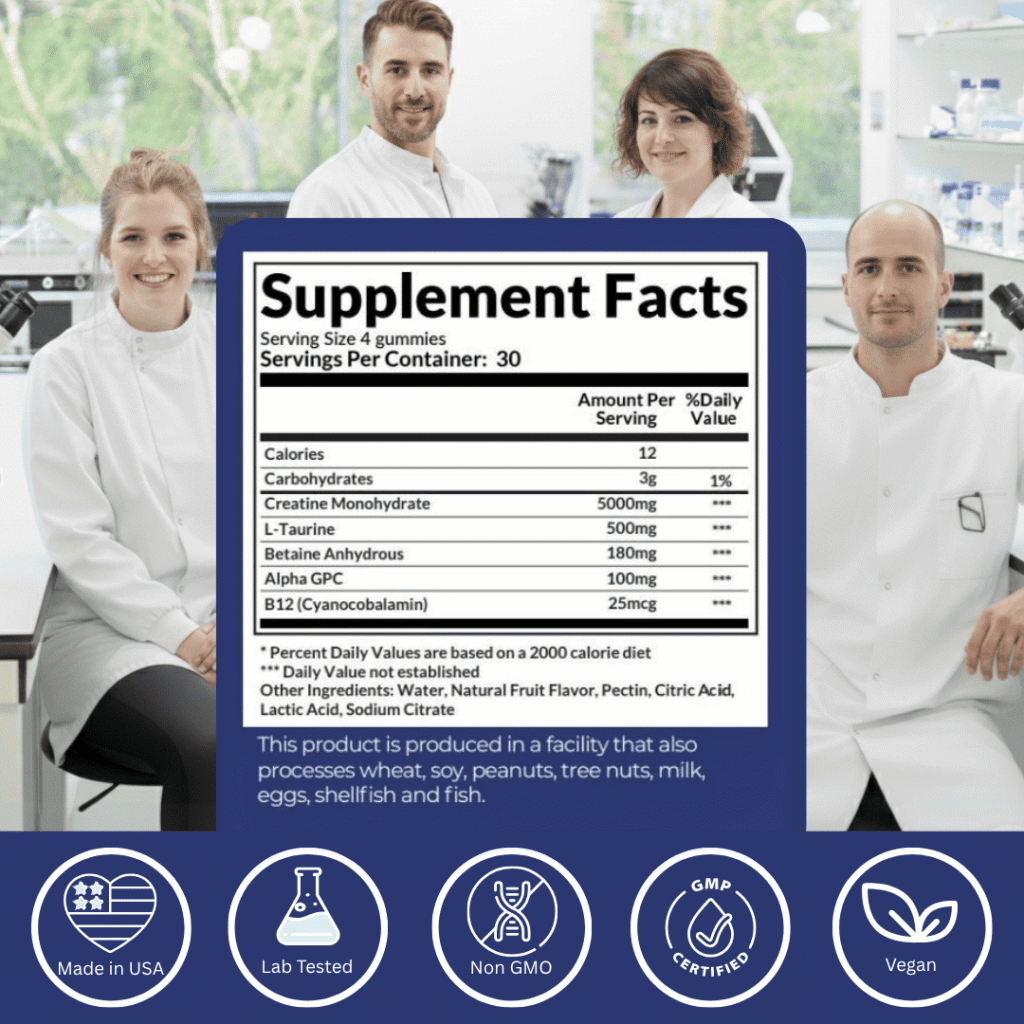
We’ve formulated our creatine monohydrate gummies to provide the purest and most effective form of creatine available, with no fillers or unnecessary additives.
Our gummies are…
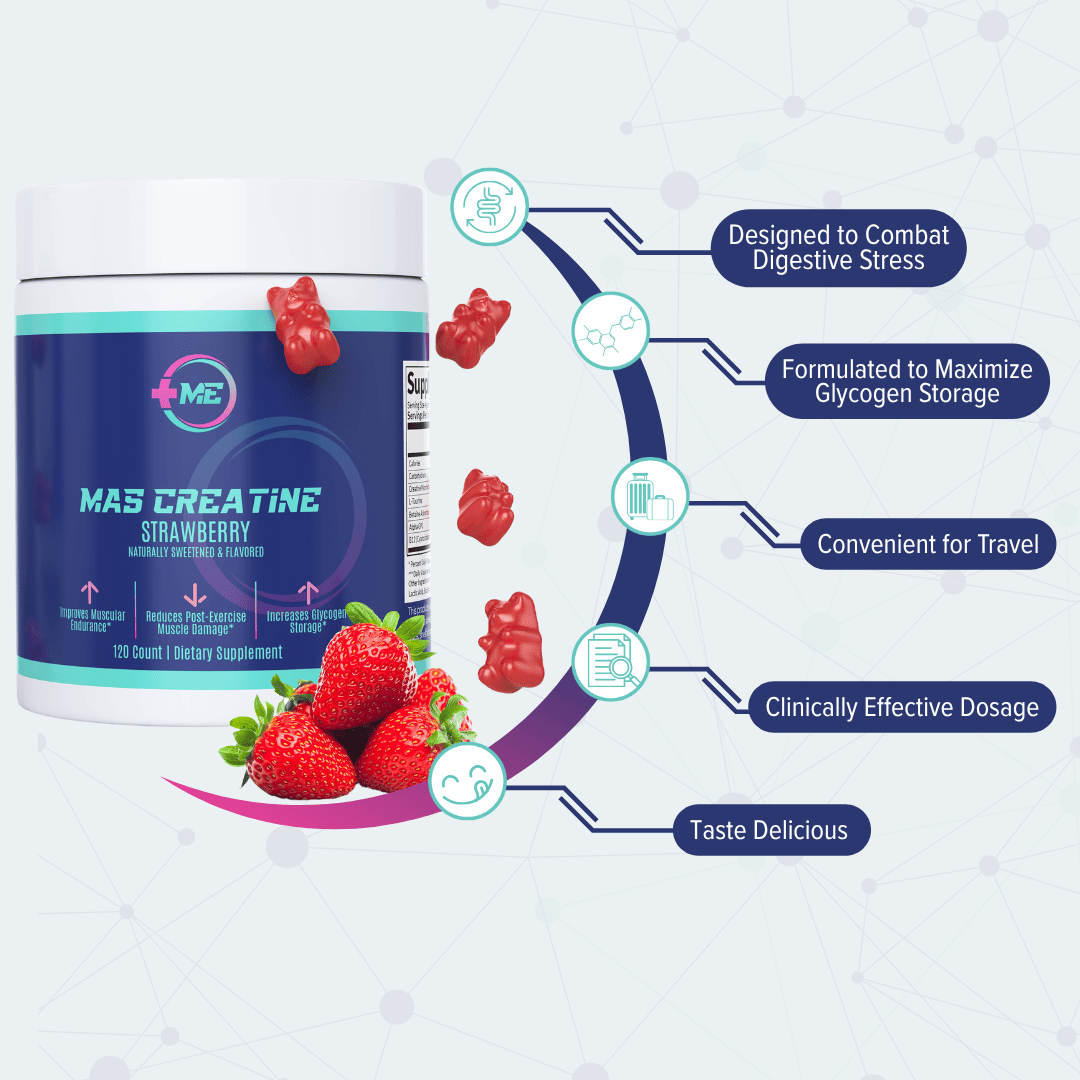
- Designed to be absorbed quickly so they are gentle on the stomach
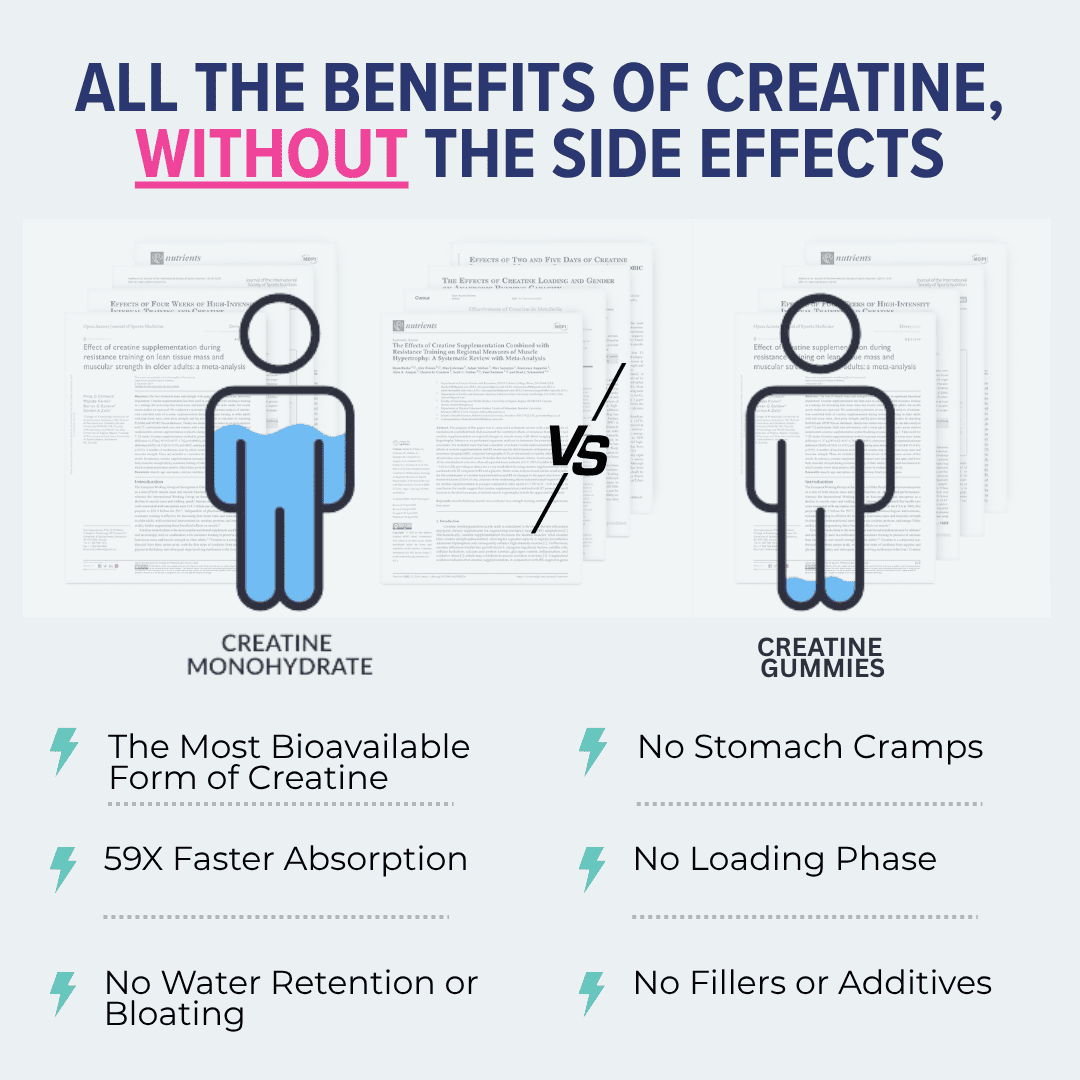
- Formulated to avoid the bloating you typically find with traditional creatine powders
- 100% soluble to eliminate water retention and increase absorption
- Delicious, convenient & easy to take with you so you stay consistent
So what you get is pure, fast-acting creatine that fuels your muscles, enhances your performance and helps you recover every time you train.
Ingredients
How to Use
Research has consistently shown that 5 grams is the optimal dosage for most of the performance enhancing benefits.
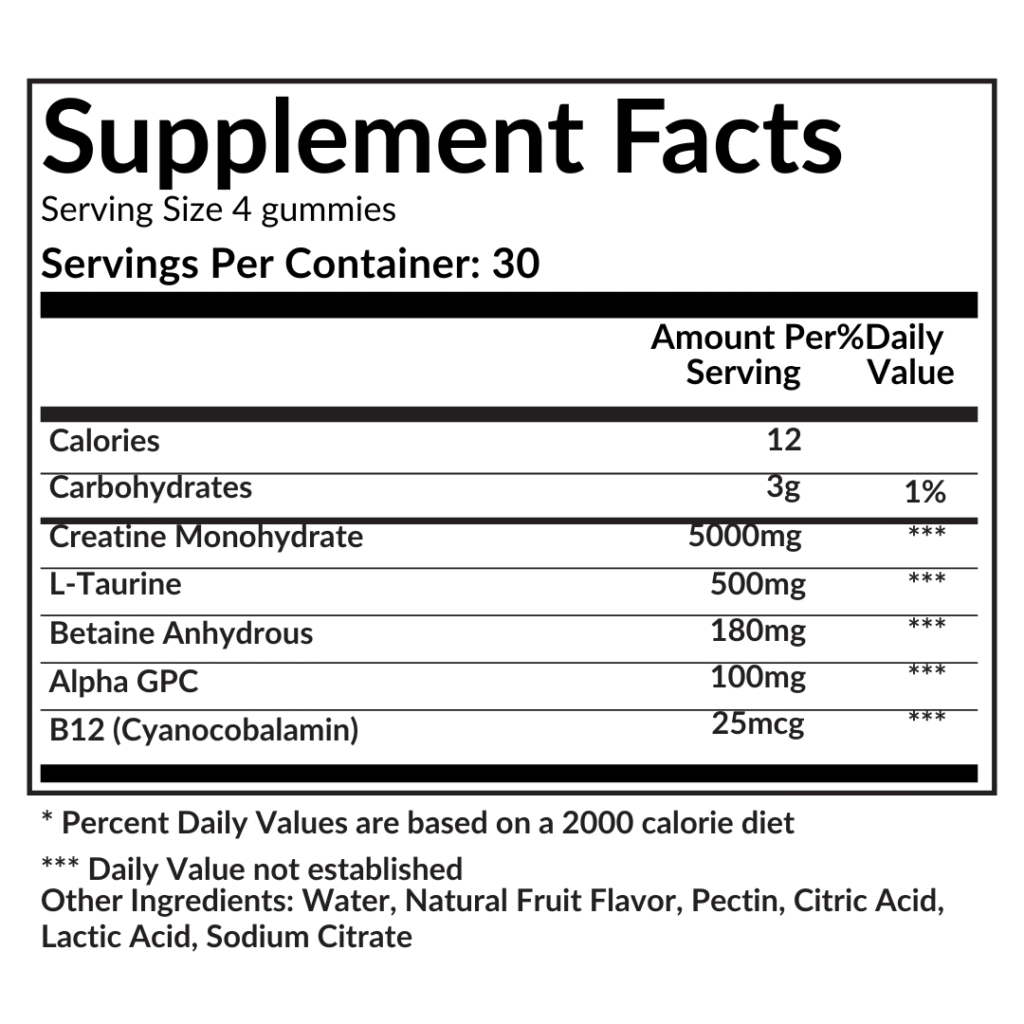
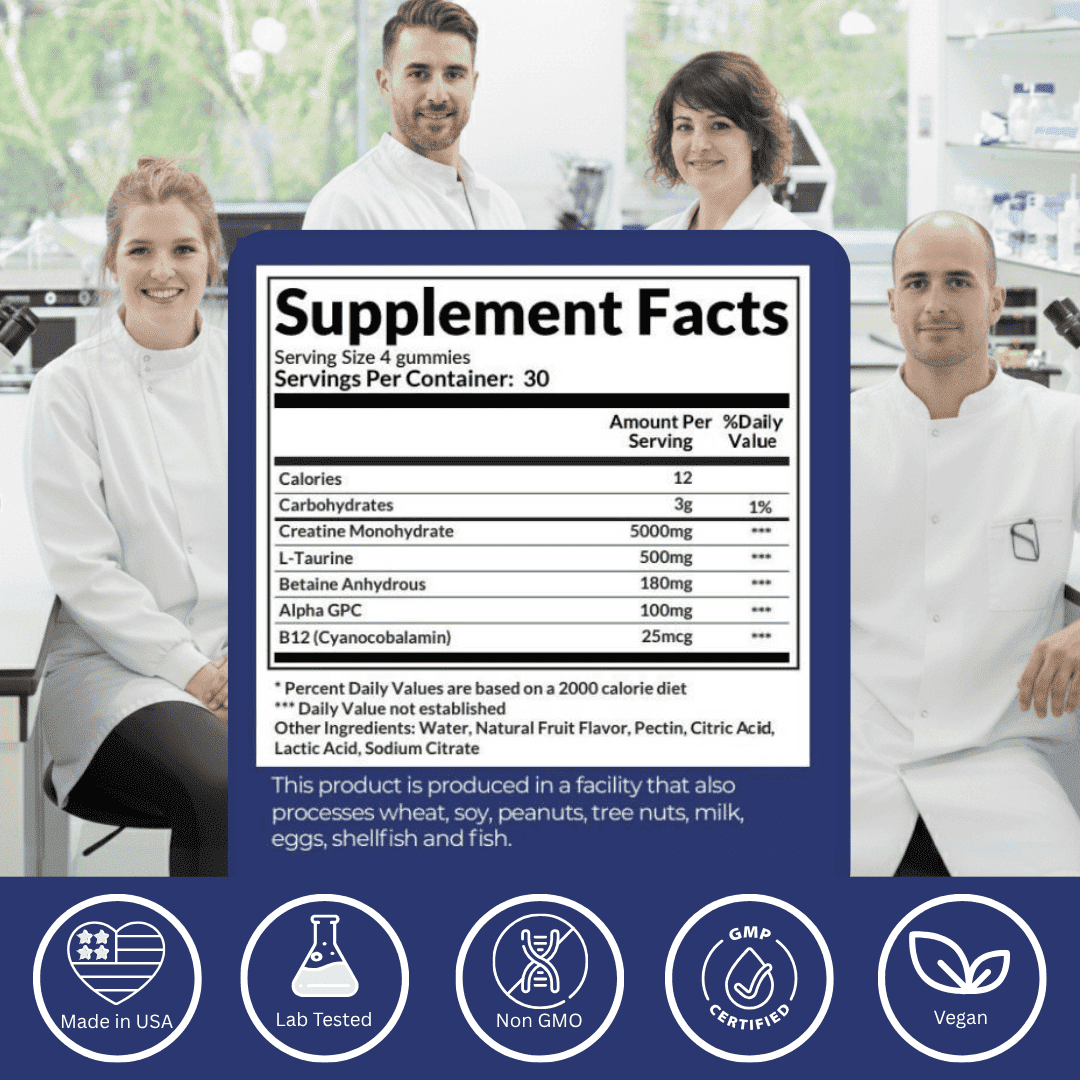
4 MAS Creatine gummies will equal 5 grams of creatine monohydrate. Each tub contains 30 servings (120 total gummies).
Creatine can be taken at any time of the day and it can be split into multiple doses.
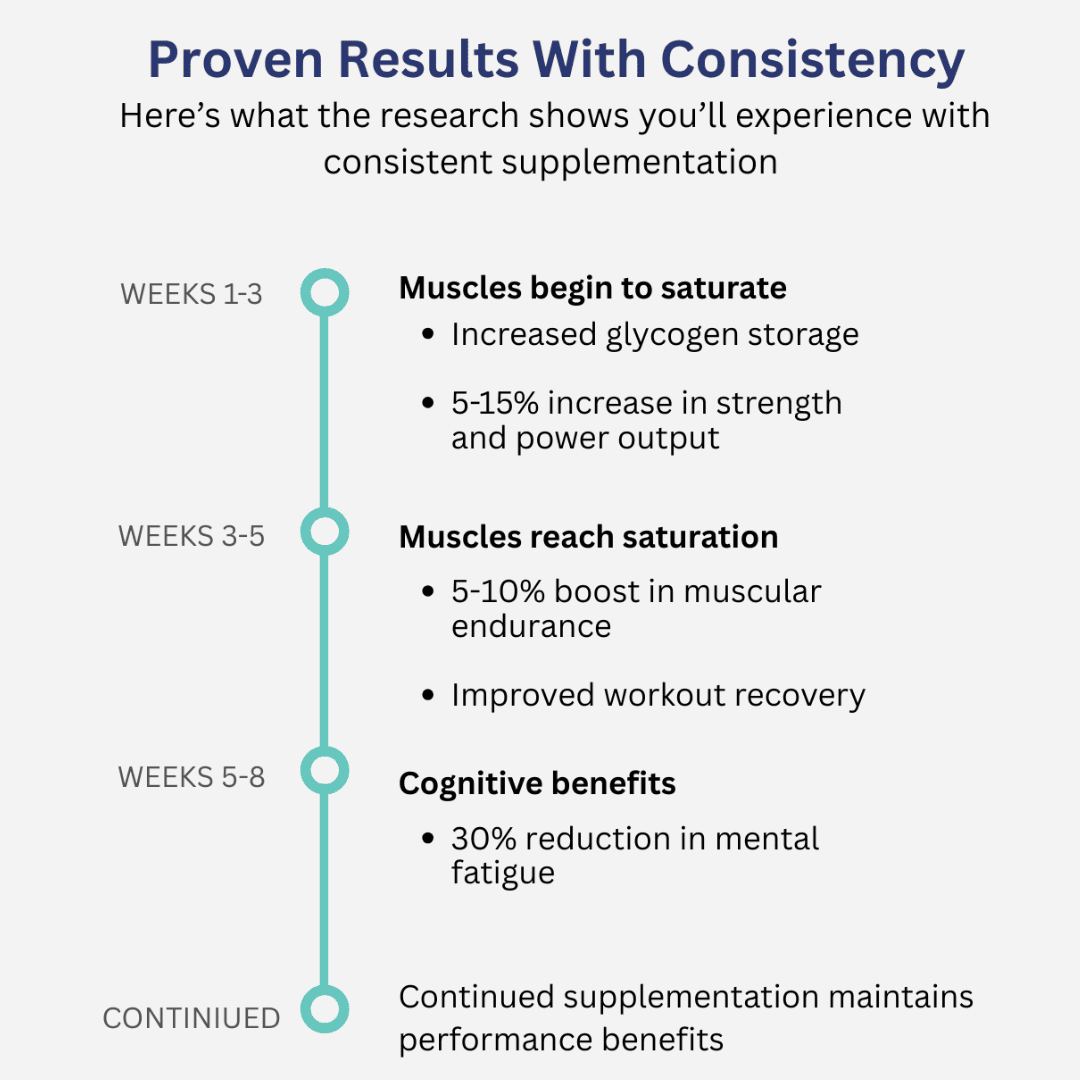
Creatine works best when the muscles are saturated, which usually takes 7-10 days.
This means consistency is more important than what time of day you take it.
Most research suggests that taking after a workout, rather than before, is a greater benefit once your muscles are saturated.
4.9/5.0 513+ Happy Athletes
Creatine gummies designed for the needs of endurance athletes.
Specifically formulated to be absorbed quickly without the bloated feeling you’ll find with traditional creatine powders.
- Recover Faster After Training
- Enhance Muscle Strength & Growth, Especially in Older Athletes
- Improve Endurance & Stamina
- Increase Energy Availability for Intense Workouts
- Boost Mental Focus
Save Money & Stay Consistent When You Bundle
Moneyback Guarantee
Worldwide Shipping

Clinically Tested

1000+ Customers
Trust Us
4.9/5.0 513+ Happy Athletes
Creatine gummies designed for the needs of endurance athletes.
Specifically formulated to be absorbed quickly without the bloated feeling you’ll find with traditional creatine powders.
- Recover Faster After Training
- Enhance Muscle Strength & Growth, Especially in Older Athletes
- Improve Endurance & Stamina
- Increase Energy Availability for Intense Workouts
- Boost Mental Focus
Save Money & Stay Consistent When You Bundle
Moneyback Guarantee
Worldwide Shipping
Clinically Tested
1000+ Customers
Trust Us
Why You’ll Love It
Most creatine supplements suck for runners because they’re not designed for the specific needs and challenges endurance athletes face.
Bodybuilders don’t mind grainy powders and they consider stomach distress a mild inconvenience.
But runners need convenience and something that is going to be easy on their stomach. GI issues are no joke when you’re miles from a bathroom.
That’s why we created MAS Creatine: creatine gummies designed for the needs of endurance athletes.
We’ve formulated our creatine monohydrate gummies to provide the purest and most effective form of creatine available, with no fillers or unnecessary additives.
Our gummies are…
- Designed to be absorbed quickly so they are gentle on the stomach
- Formulated to avoid the bloating you typically find with traditional creatine powders
- 100% soluble to eliminate water retention and increase absorption
- Delicious, convenient & easy to take with you so you stay consistent
So what you get is pure, fast-acting creatine that fuels your muscles, enhances your performance and helps you recover every time you train.
Ingredients
How to Use
Research has consistently shown that 5 grams is the optimal dosage for most of the performance enhancing benefits.
4 MAS Creatine gummies will equal 5 grams of creatine monohydrate. Each tub contains 30 servings (120 total gummies).
Creatine can be taken at any time of the day and it can be split into multiple doses.
Creatine works best when the muscles are saturated, which usually takes 7-10 days.
This means consistency is more important than what time of day you take it.
Most research suggests that taking after a workout, rather than before, is a greater benefit once your muscles are saturated.
Backed By Our No Return Necessary Money-Back Guarantee
Try MAS Creatine and if you don’t love it or you’re unhappy for any reason, just let us know via email or phone and we’ll refund your money. No product return needed or complicated policies.
1,000+ Athletes Trust Us
Your Breakthrough Could Be Next
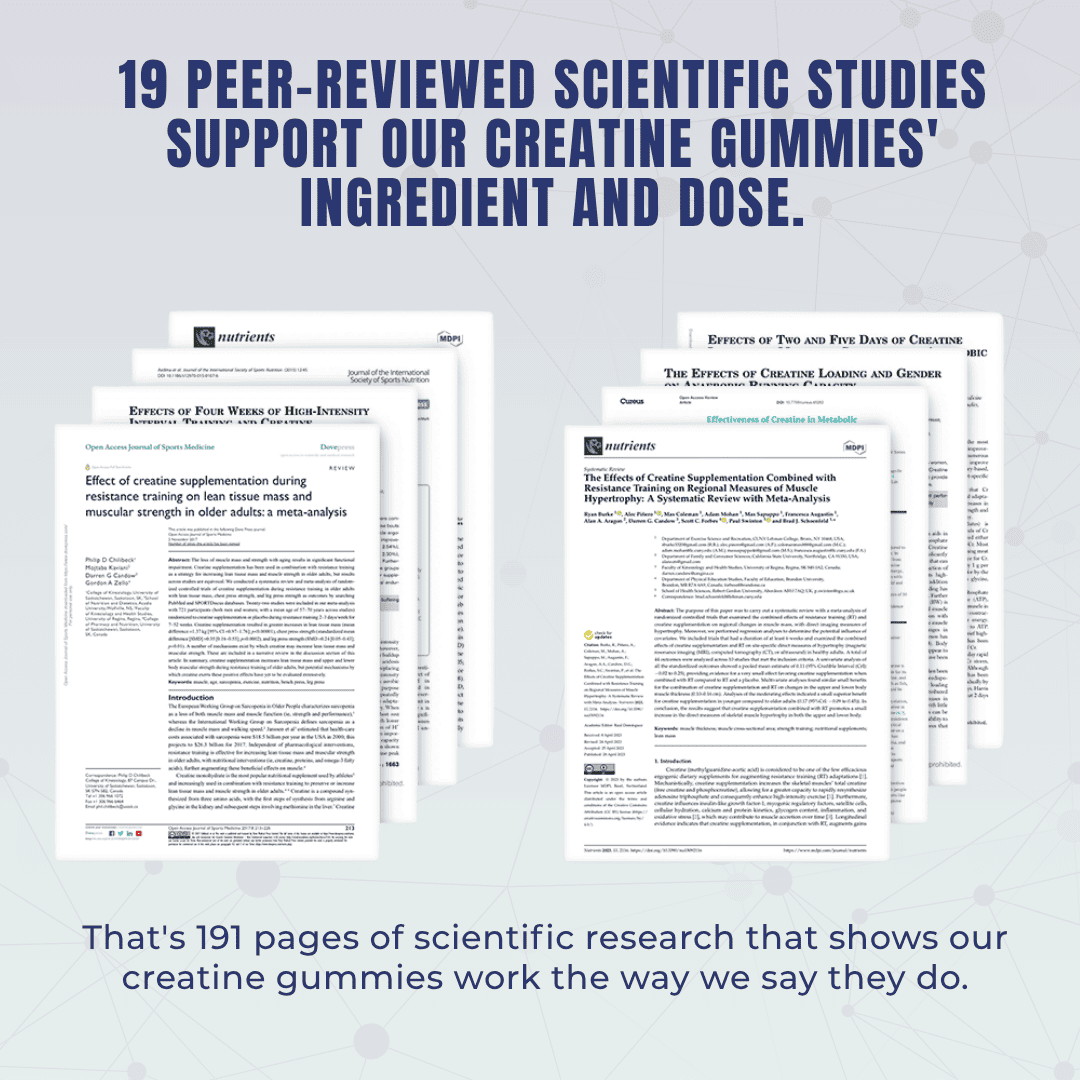
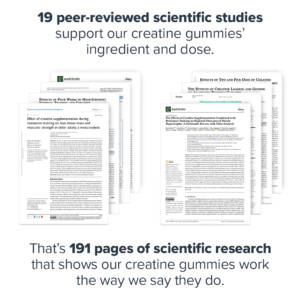
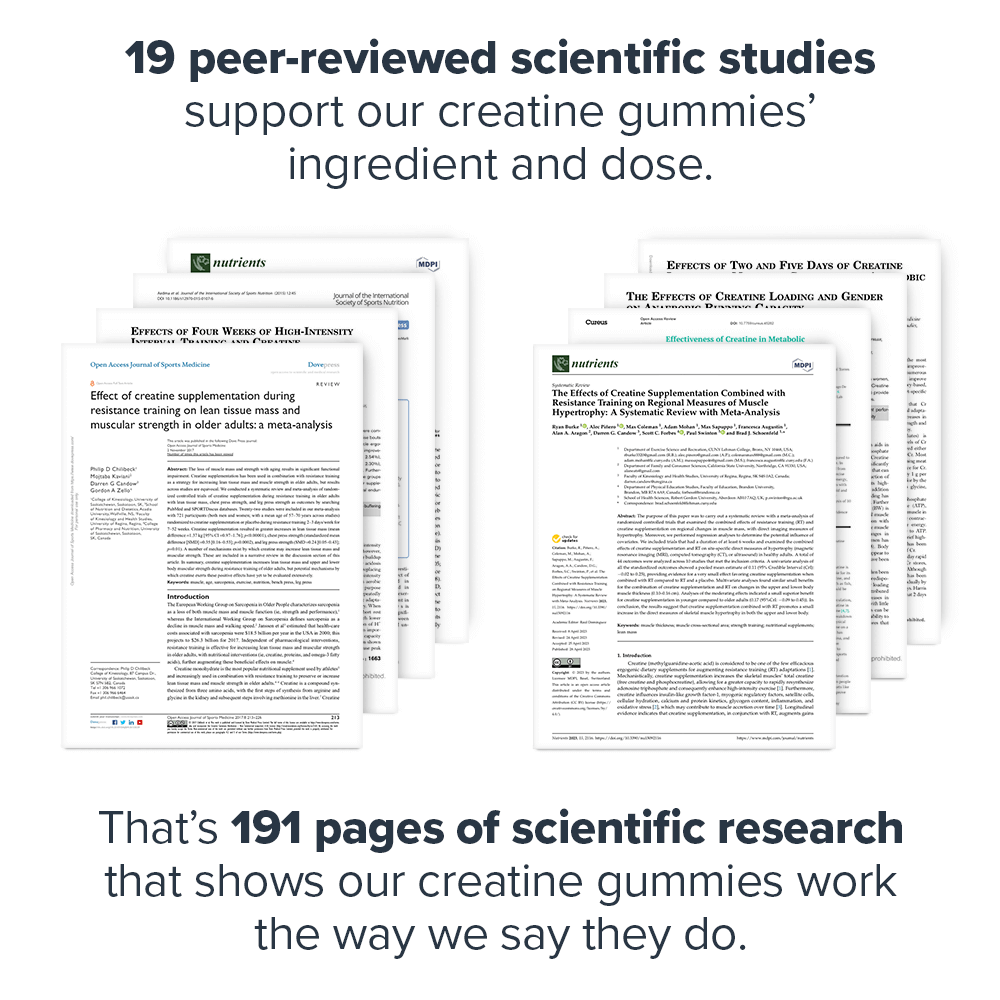
OVER 19 PEER-REVIEWED STUDIES SUPPORT CREATINE GUMMIES & DOSAGE
Creatine Monohydrate is one of the most researched and effective performance-enhancing supplements available.
It is a natural compound made up of the amino acids L-arginine, glycine, and methionine.
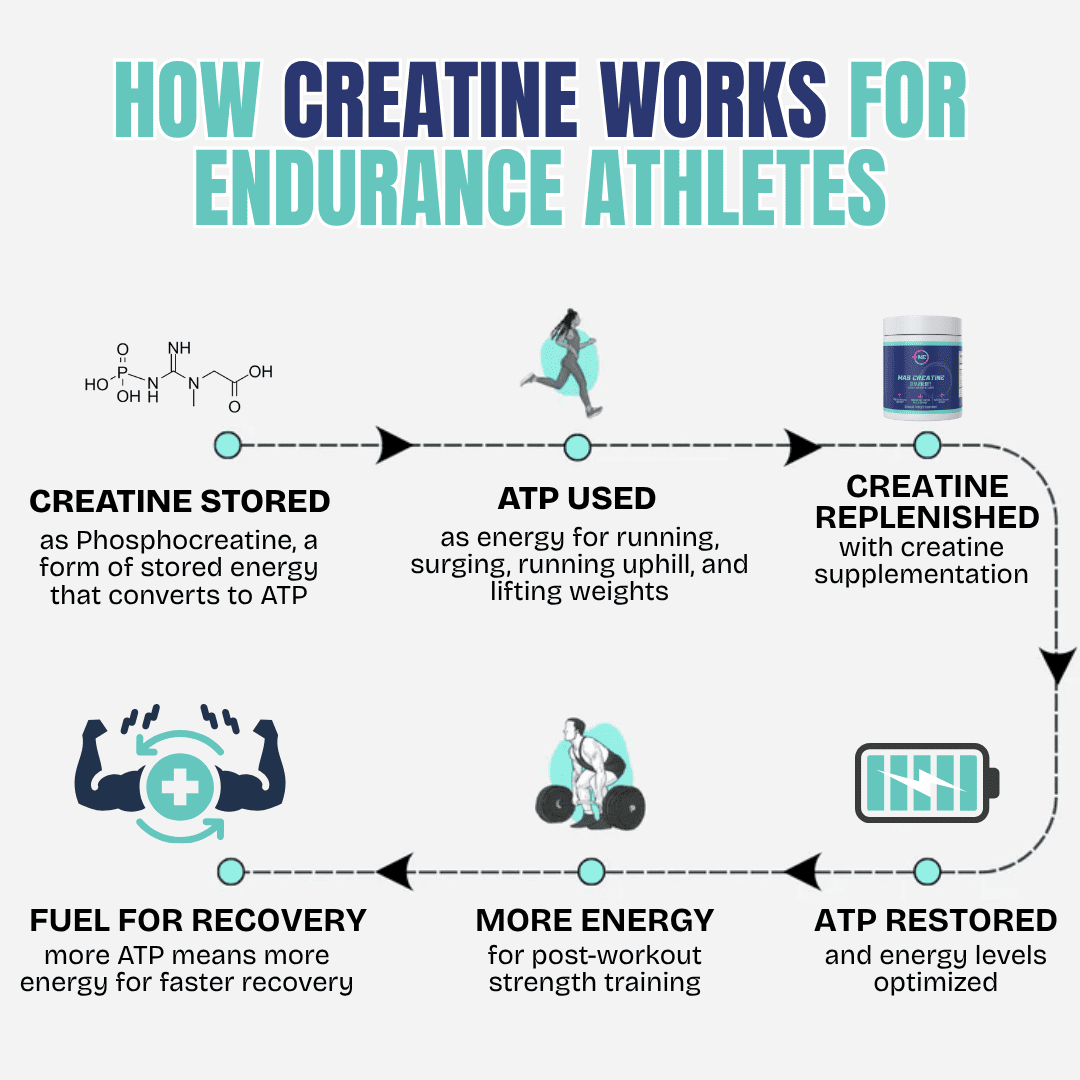
Research shows that supplementing with Creatine Monohydrate helps ATP regeneration, promoting a steady supply of energy to power through high-intensity exercise.
This helps you train harder, push longer and recover faster—ultimately delivering better results from your training and supporting overall health.
Specifically, the research shows that creatine can….
- Boosts muscle and strength gain
- Improve muscular endurance
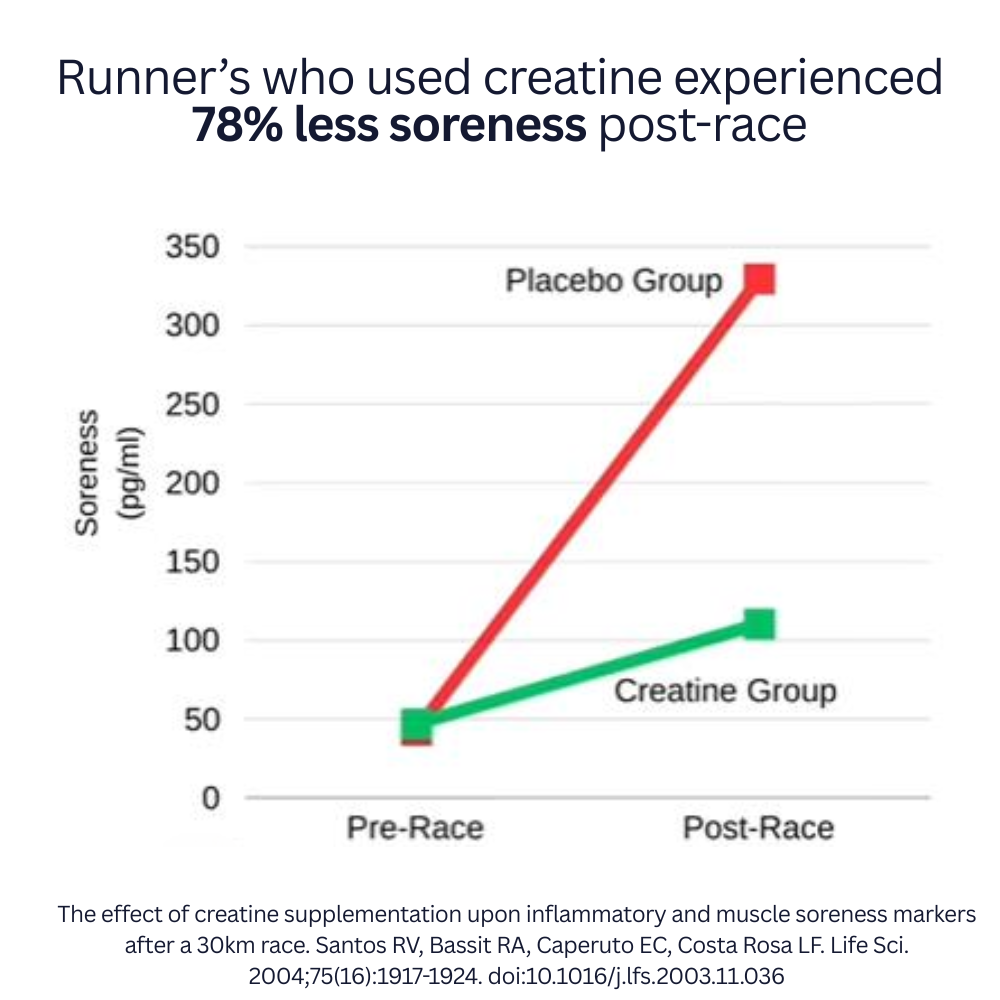
- Reduce muscle damage and soreness from exercise
- Help preserve lean mass and strength while restricting calories
- Increase the amount of glycogen your muscles can store.
Often seen as a supplement just for weightlifters, creatine is now supported by decades of clinical research showing significant benefits for muscle recovery, cellular repair, and exercise performance in all types of athletes—including runners, cyclists, swimmers, and triathletes.
Here’s how…
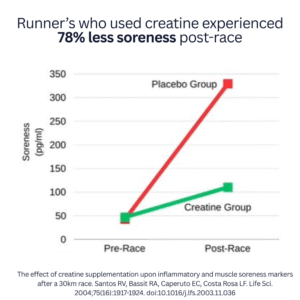
1. Reduces Exercise-Induced Muscle Damage and Inflammation
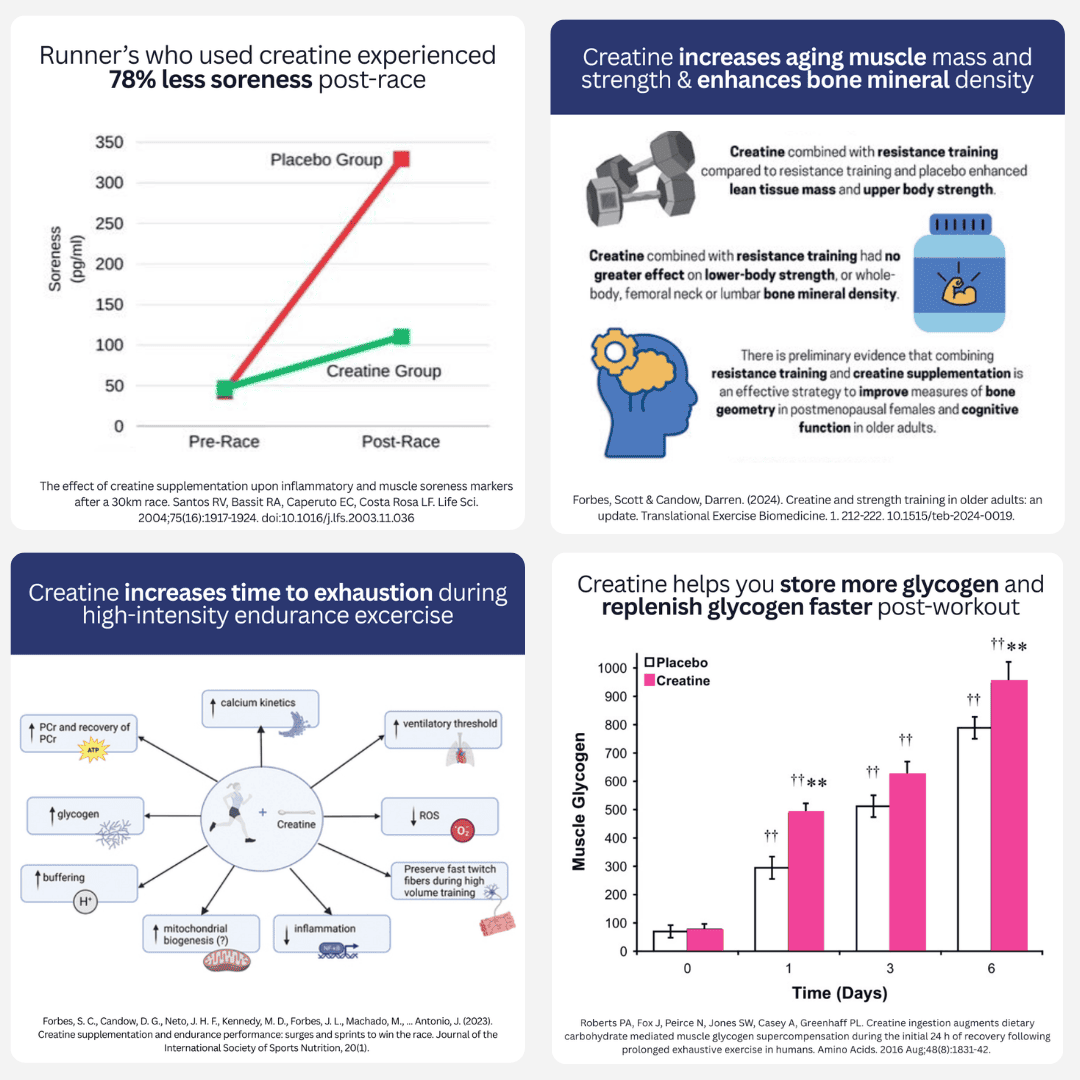
Several studies indicate creatine helps mitigate muscle cell damage and decrease markers of inflammation, such as creatine kinase (CK) and lactate dehydrogenase (LDH), following prolonged or intense exercise.
➤ Practical Outcome: Less DOMS (delayed onset muscle soreness), quicker return to training, and enhanced tissue repair.
📚 Cooke et al., 2009 “Creatine supplementation reduces muscle cell damage and inflammation following a marathon run.”
📚 Bassit et al., 2008 “Creatine supplementation reduced pro-inflammatory markers and muscle soreness after a 30km race.”
2. Accelerates ATP Resynthesis for Faster Recovery Between Sessions
Creatine’s primary function is to increase phosphocreatine stores in muscle tissue, which helps regenerate adenosine triphosphate (ATP)—the energy currency of your cells.
During high-volume aerobic or interval work, ATP is rapidly depleted. Supplementing with creatine accelerates ATP resynthesis, reducing fatigue and enabling quicker recovery between training bouts.
➤ Practical Outcome: Reduced rest time, improved repeat performance, and less post-session fatigue.
📚 Balsom et al., 1994; Greenhaff et al., 1993 “Creatine supplementation results in faster recovery of phosphocreatine during repeated bouts of exercise.”
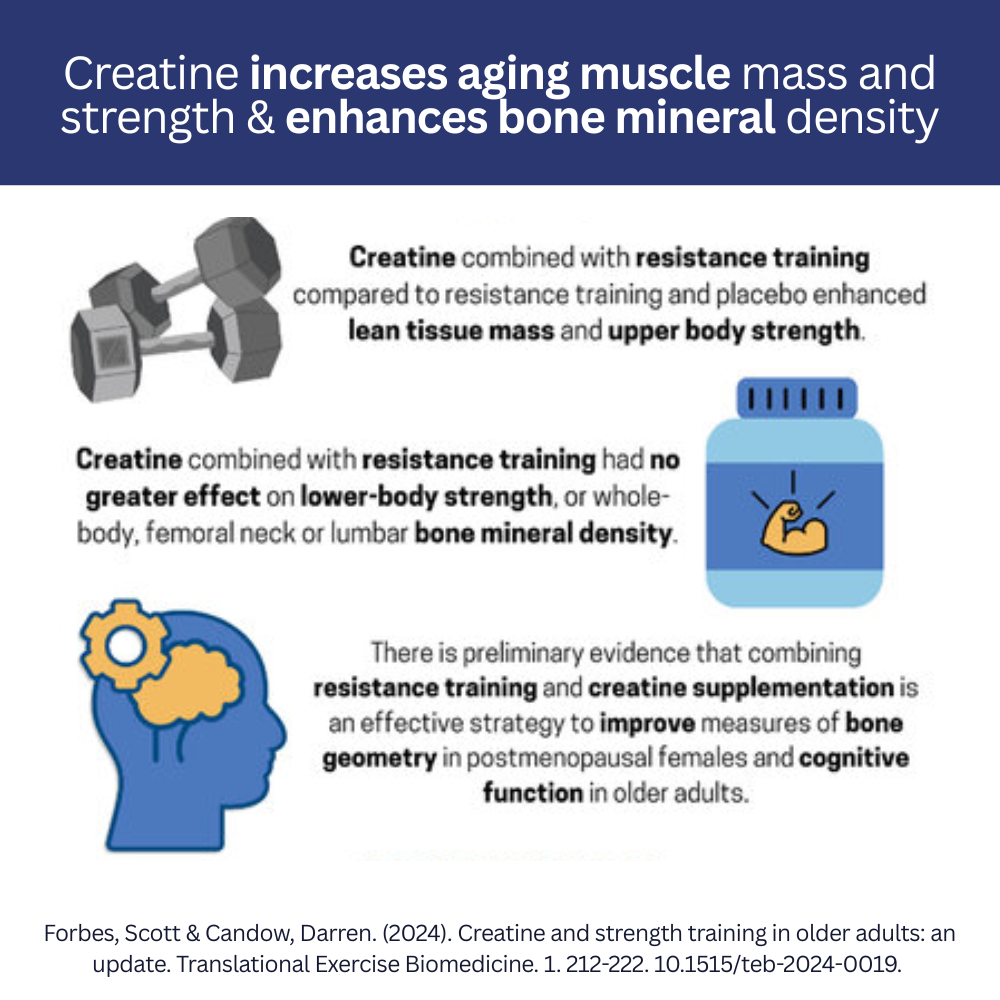
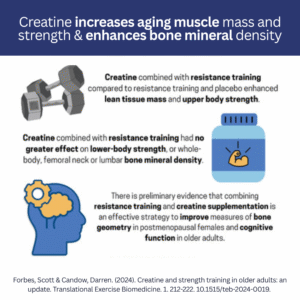
Backed by hundreds of peer-reviewed studies, creatine monohydrate is one of the most effective and safe compounds for preserving lean mass and enhancing strength—particularly in adults over 35
Here’s a look at some of the specifics…
Starting around age 30, most adults begin losing 3–8% of muscle mass per decade.
Creatine not only improves training output but also helps preserve and build muscle mass—critical for recovery, injury prevention, and long-term performance.
➤ Practical Outcome: Greater muscle retention, reduced injury risk, and better metabolic recovery after each session.
📚 Candow et al., 2014
“Creatine supplementation during resistance training in older adults resulted in significantly greater gains in lean tissue mass and muscular strength compared to placebo.”
📚 Chilibeck et al., 2017
“Meta-analysis of 22 studies showed older adults supplementing with creatine gained ~1.4 kg more lean mass on average than non-users during training.”
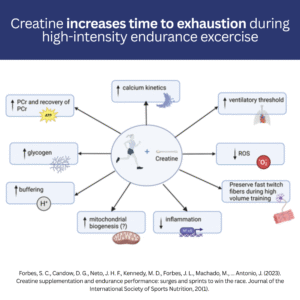
Endurance athletes often overlook creatine—assuming it’s just for lifters and sprinters. But the latest research tells a different story.
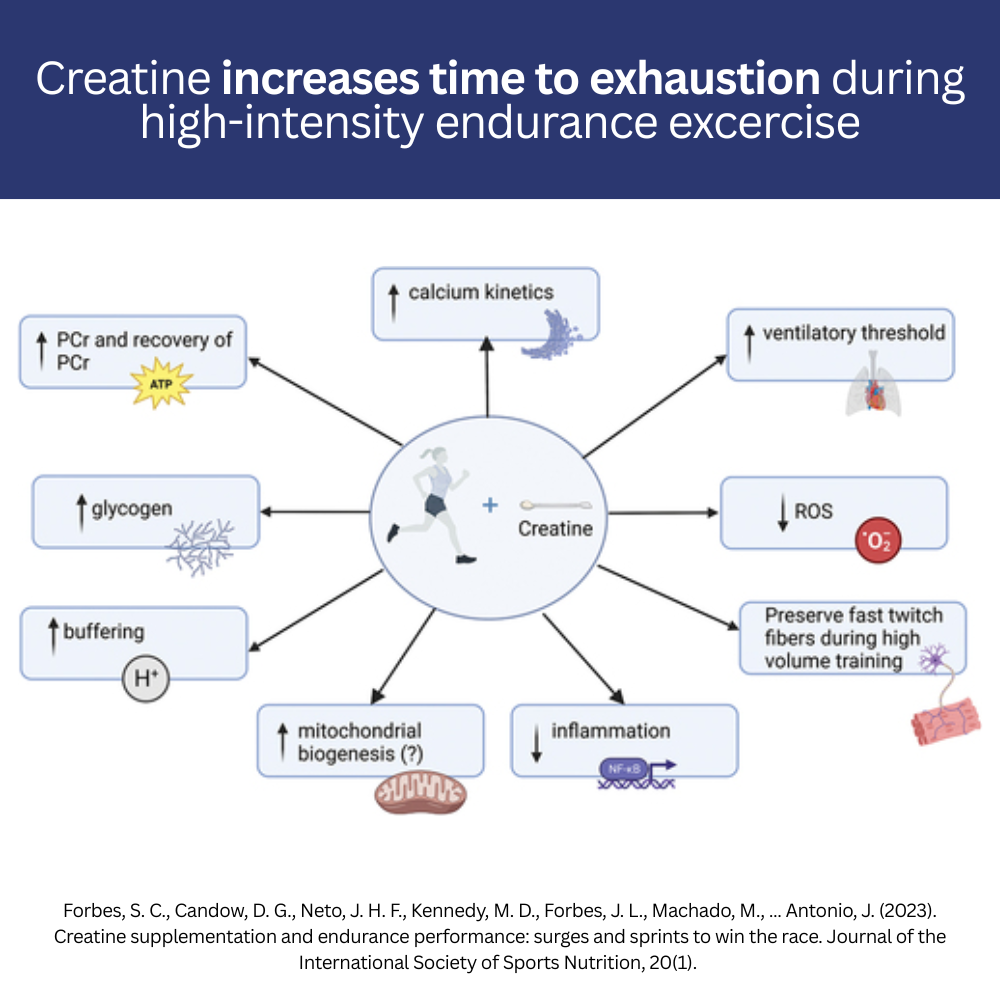
Creatine plays a direct and powerful role in sustaining high-effort performance, improving aerobic and anaerobic efficiency, and helping athletes train longer with less fatigue.
1. Increases Mitochondrial Efficiency
Newer studies suggest creatine doesn’t just fuel short bursts—it may also enhance aerobic metabolism by improving mitochondrial efficiency and biogenesis (creation of new mitochondria), especially when combined with endurance training.
➤ Practical Outcome: Better stamina. Improved energy utilization. Less bonking during long efforts.
📚 Safdar et al., 2011
“Creatine increased expression of genes involved in mitochondrial function and oxidative phosphorylation.”
📚 Eijnde et al., 2003
“Creatine combined with aerobic training increased mitochondrial markers and oxidative capacity.”
2. Buffers Fatigue by Reducing Acidosis
During prolonged or intense aerobic activity, lactic acid builds up and decreases muscle pH, leading to burning sensations and early fatigue.
Creatine acts as a buffer, helping neutralize hydrogen ions and delay the onset of muscle acidosis.
➤ Practical Outcome: Maintain pace longer during tempo efforts, threshold workouts, and races.
📚 Santos et al., 2004
“Creatine supplementation attenuated lactate accumulation and improved fatigue resistance during repeated effort.”
When it comes to endurance performance, glycogen is king.
It’s the primary fuel your muscles use during long-duration efforts—and once it’s gone, so is your speed, power, and drive.
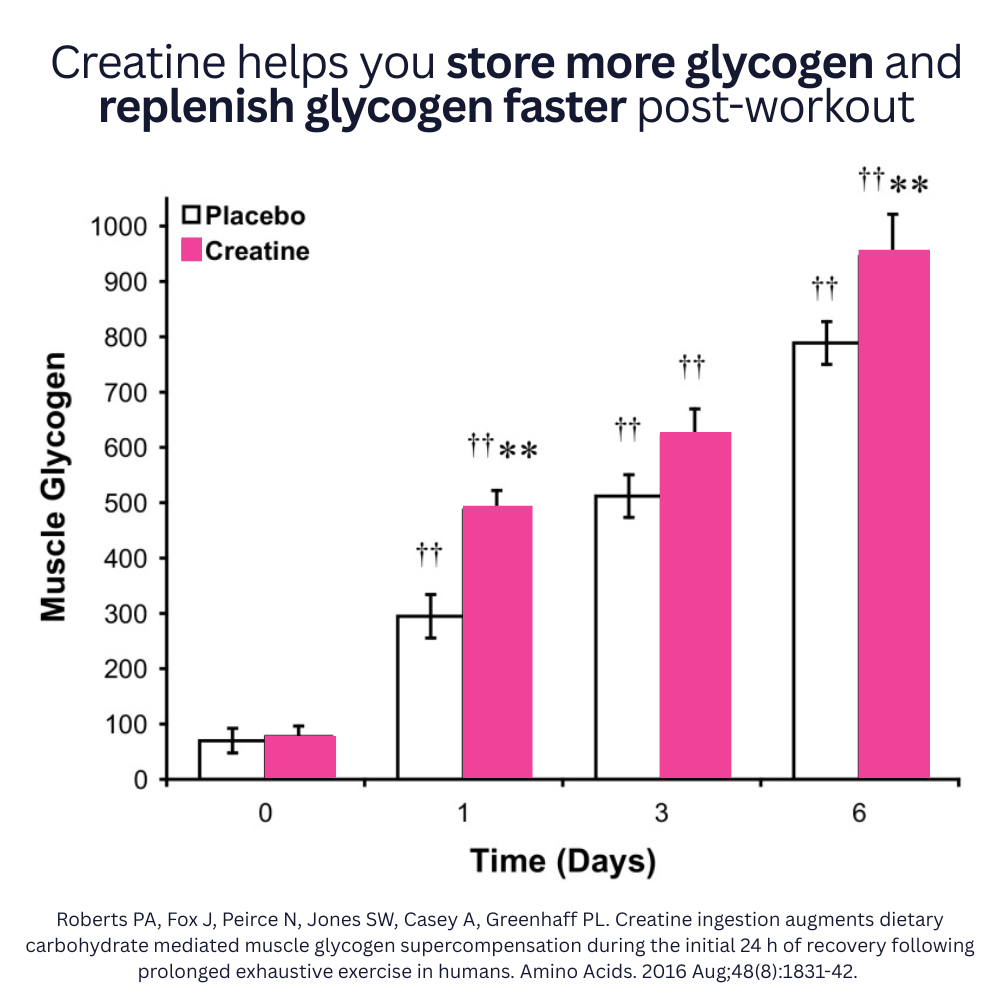
What most endurance athletes don’t realize is that creatine doesn’t just help with strength or sprint power—it also increases your muscles’ ability to store glycogen.
Here’s a look at some of the research…
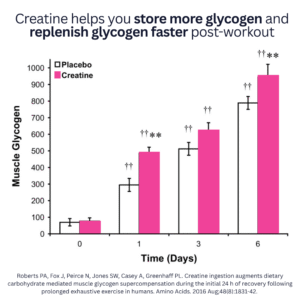
1. Increases Muscle Glycogen Storage When Paired With Carbohydrates
Creatine increases glycogen storage by up to 50% when taken alongside carbohydrates.
It does this by enhancing cellular hydration and glucose transporter activity (GLUT-4), which improves glucose uptake into muscle tissue.
📚 Roberts et al., 1998
“Creatine supplementation with carbohydrate loading resulted in significantly higher muscle glycogen content compared to carbohydrate alone.”
📚 Nelson et al., 2001
“Creatine increased muscle glycogen resynthesis post-exercise, suggesting an enhanced ability to store fuel during recovery.”
2. Improves Glycogen Resynthesis Post-Exercise
After depleting glycogen through endurance exercise, your muscles are in a prime state to refuel.
Creatine helps accelerate glycogen resynthesis, which means faster recovery and readiness for your next session.
📚 Van Loon et al., 2004
“Creatine supplementation enhanced post-exercise glycogen resynthesis in combination with carbohydrate intake.”
Creatine Monohydrate is one of the most researched and effective performance-enhancing supplements available.
It is a natural compound made up of the amino acids L-arginine, glycine, and methionine.
Research shows that supplementing with Creatine Monohydrate helps ATP regeneration, promoting a steady supply of energy to power through high-intensity exercise.
This helps you train harder, push longer and recover faster—ultimately delivering better results from your training and supporting overall health.
Specifically, the research shows that creatine can….
- Boosts muscle and strength gain
- Improve muscular endurance
- Reduce muscle damage and soreness from exercise
- Help preserve lean mass and strength while restricting calories
- Increase the amount of glycogen your muscles can store.
Often seen as a supplement just for weightlifters, creatine is now supported by decades of clinical research showing significant benefits for muscle recovery, cellular repair, and exercise performance in all types of athletes—including runners, cyclists, swimmers, and triathletes.
Here’s how…
1. Reduces Exercise-Induced Muscle Damage and Inflammation
Several studies indicate creatine helps mitigate muscle cell damage and decrease markers of inflammation, such as creatine kinase (CK) and lactate dehydrogenase (LDH), following prolonged or intense exercise.
➤ Practical Outcome: Less DOMS (delayed onset muscle soreness), quicker return to training, and enhanced tissue repair.
📚 Cooke et al., 2009 "Creatine supplementation reduces muscle cell damage and inflammation following a marathon run."
📚 Bassit et al., 2008 "Creatine supplementation reduced pro-inflammatory markers and muscle soreness after a 30km race."
2. Accelerates ATP Resynthesis for Faster Recovery Between Sessions
Creatine's primary function is to increase phosphocreatine stores in muscle tissue, which helps regenerate adenosine triphosphate (ATP)—the energy currency of your cells.
During high-volume aerobic or interval work, ATP is rapidly depleted. Supplementing with creatine accelerates ATP resynthesis, reducing fatigue and enabling quicker recovery between training bouts.
➤ Practical Outcome: Reduced rest time, improved repeat performance, and less post-session fatigue.
📚 Balsom et al., 1994; Greenhaff et al., 1993 "Creatine supplementation results in faster recovery of phosphocreatine during repeated bouts of exercise."
Backed by hundreds of peer-reviewed studies, creatine monohydrate is one of the most effective and safe compounds for preserving lean mass and enhancing strength—particularly in adults over 35
Here’s a look at some of the specifics…
Starting around age 30, most adults begin losing 3–8% of muscle mass per decade.
Creatine not only improves training output but also helps preserve and build muscle mass—critical for recovery, injury prevention, and long-term performance.
➤ Practical Outcome: Greater muscle retention, reduced injury risk, and better metabolic recovery after each session.
📚 Candow et al., 2014
"Creatine supplementation during resistance training in older adults resulted in significantly greater gains in lean tissue mass and muscular strength compared to placebo."
📚 Chilibeck et al., 2017
"Meta-analysis of 22 studies showed older adults supplementing with creatine gained ~1.4 kg more lean mass on average than non-users during training."
Endurance athletes often overlook creatine—assuming it’s just for lifters and sprinters. But the latest research tells a different story.
Creatine plays a direct and powerful role in sustaining high-effort performance, improving aerobic and anaerobic efficiency, and helping athletes train longer with less fatigue.
1. Increases Mitochondrial Efficiency
Newer studies suggest creatine doesn’t just fuel short bursts—it may also enhance aerobic metabolism by improving mitochondrial efficiency and biogenesis (creation of new mitochondria), especially when combined with endurance training.
➤ Practical Outcome: Better stamina. Improved energy utilization. Less bonking during long efforts.
📚 Safdar et al., 2011
"Creatine increased expression of genes involved in mitochondrial function and oxidative phosphorylation."
📚 Eijnde et al., 2003
"Creatine combined with aerobic training increased mitochondrial markers and oxidative capacity."
2. Buffers Fatigue by Reducing Acidosis
During prolonged or intense aerobic activity, lactic acid builds up and decreases muscle pH, leading to burning sensations and early fatigue.
Creatine acts as a buffer, helping neutralize hydrogen ions and delay the onset of muscle acidosis.
➤ Practical Outcome: Maintain pace longer during tempo efforts, threshold workouts, and races.
📚 Santos et al., 2004
"Creatine supplementation attenuated lactate accumulation and improved fatigue resistance during repeated effort."
When it comes to endurance performance, glycogen is king.
It's the primary fuel your muscles use during long-duration efforts—and once it's gone, so is your speed, power, and drive.
What most endurance athletes don’t realize is that creatine doesn’t just help with strength or sprint power—it also increases your muscles’ ability to store glycogen.
Here's a look at some of the research...
1. Increases Muscle Glycogen Storage When Paired With Carbohydrates
Creatine increases glycogen storage by up to 50% when taken alongside carbohydrates.
It does this by enhancing cellular hydration and glucose transporter activity (GLUT-4), which improves glucose uptake into muscle tissue.
📚 Roberts et al., 1998
"Creatine supplementation with carbohydrate loading resulted in significantly higher muscle glycogen content compared to carbohydrate alone."
📚 Nelson et al., 2001
"Creatine increased muscle glycogen resynthesis post-exercise, suggesting an enhanced ability to store fuel during recovery."
2. Improves Glycogen Resynthesis Post-Exercise
After depleting glycogen through endurance exercise, your muscles are in a prime state to refuel.
Creatine helps accelerate glycogen resynthesis, which means faster recovery and readiness for your next session.
📚 Van Loon et al., 2004
"Creatine supplementation enhanced post-exercise glycogen resynthesis in combination with carbohydrate intake."
your questions answered
Experience the benefits of a healthy gut, better digestion and no more bathroom fears
Will Mas Creatine work for me?
Creatine is by far one of the most well-researched supplements and widely considered the most effective, legal performance supplement.
There has been little, if any, research that indicates athletes and older adults won’t benefit in some way from taking creatine.
If you have tried creatine before, but had issues, our gummy formulation is much more gentle on the stomach, which results in significantly less gut issues as well as reduces bloating.
When should I take creatine?
Creatine can be taken at any time of the day and it can be split into multiple doses.
Creatine works best when the muscles are saturated, which usually takes 7-10 days.
This means consistency is more important than what time of day you take it.
Most research suggests that taking after a workout, rather than before, is a greater benefit once your muscles are saturated.
How much should I take?
Research has consistently shown that 5 grams is the optimal dosage for most of the performance enhancing benefits.
4 MAS Creatine gummies will equal 5 grams of creatine monohydrate. Each tub contains 30 servings (120 total gummies).
There is some recent literature that dosages as high as 20g are safe and can have enhanced cognitive benefits.
Do I need to “load” creatine?
There used to be a belief that you needed to “load” creatine to achieve the maximum benefits, but more recent literature has suggested this is no longer the case.
Loading simply causes the creatine to accumulate faster in the muscles and thus the benefits to “kick in” faster.
The standard loading protocol found in the scientific literature is 20 grams per day for 5 to 7 days, followed by a maintenance dosage of 5 grams per day.
In the case of our MAS Creatine gummies, that would be 4 servings per day for the first 5 to 7 days.
Can women use creatine?
Recent studies demonstrating that creatine is just as effective for women as it is for men at enhancing strength, lean mass, and muscular endurance, a 2021 study published in Nutrients also highlighted that creatine can help women…
- Reduce fatigue.
- Improve high-intensity performance.
- Support muscle strength, bone density, and mood regulation in women during and after menopause.
- Maintain lean muscle mass and support cognitive function during hormonal fluctuations, especially as estrogen declines with age.
Is there anyone that should not take creatine?
There are very few negative interactions found in the research literature between creatine and any specific medical conditions or medications.
That said, there may be some, and thus you should always talk to your doctor if you’re currently taking medication and want to consider taking our creatine gummies.